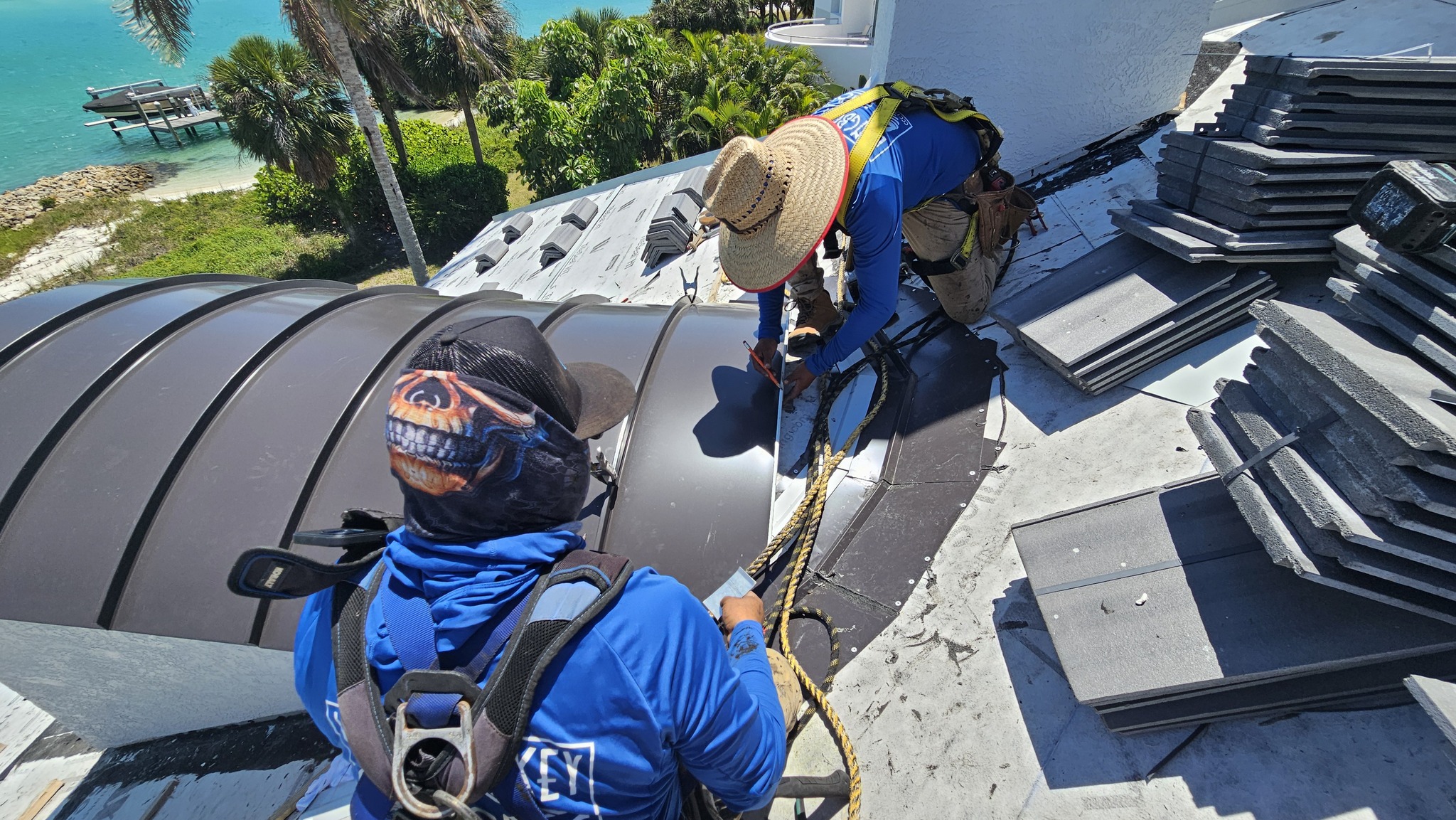
Commercial Roof Restoration Often Begins With Testing the Existing Surface
A roof can look relatively uniform from a distance while having very different conditions across the surface”— Jules
Press Release Disclaimer: This is a press release distributed through the XPR Media network. It has not been independently verified by our newsroom.

SLIDELL, LA, UNITED STATES, October 2, 2026 /EINPresswire.com/ — Commercial roof restoration involves more than applying a new coating over an existing roofing system. Before restoration materials are selected or applied, the condition and characteristics of the existing roof surface can influence how the project should proceed.
Testing can help identify whether the existing surface is suitable for restoration, what preparation may be necessary and whether underlying conditions require attention before coatings or other restoration materials are installed.
According to Jules Albert III, owner of Jaymar Construction LLC in Slidell, Louisiana, the visible surface represents only one part of a commercial roofing evaluation.
“A roof can look relatively uniform from a distance while having very different conditions across the surface,” Albert said. “Testing helps identify what is actually present, how the existing material is performing and what preparation may be needed before a restoration system is considered.”
Commercial roofs can contain a variety of materials, including modified bitumen, built-up roofing, metal panels and different types of single-ply membranes. Existing coatings may also be present from previous maintenance or restoration projects.
Those materials do not necessarily respond the same way to new coatings, primers or repair products.
Adhesion testing can therefore become part of the evaluation process.
A restoration coating must remain attached to the underlying surface. If existing roofing material is dirty, deteriorated, chemically incompatible or covered by a poorly bonded previous coating, adhesion can be affected.
Small test areas may be used to evaluate how proposed materials interact with the existing roof.
Surface cleanliness also matters.
Commercial roofs are exposed to dirt, biological growth, airborne contaminants, grease, oils and other substances depending on the surrounding environment. Restaurants, manufacturing facilities and other commercial properties may create specific contaminants that require consideration during surface preparation.
Simply applying a coating over contamination can interfere with bonding.
Moisture represents another important issue.
Water can sometimes become trapped beneath the visible roofing surface due to leaks, damaged seams, failed flashing or other conditions. The top of the roof may appear dry even when moisture exists within insulation or other components below.
Depending on the roofing system and project conditions, moisture surveys or other testing methods may be used to identify areas that warrant additional investigation.
Albert noted that coating over an unresolved moisture problem can complicate the condition rather than address it.
“Restoration materials are intended to become part of the existing roofing assembly, so the condition underneath matters,” Albert said. “Areas containing trapped moisture or deteriorated materials may need to be addressed before the restoration process continues.”
Commercial roof evaluation can also involve examining the strength and condition of the existing substrate.
Metal roofing systems may contain corrosion, loose fasteners, open seams or deteriorated sealants. Membrane systems can develop punctures, blisters, separated seams or areas where material has lost adhesion.
Roof penetrations deserve attention as well.
HVAC equipment, vents, pipes, skylights and other penetrations create transitions in the roofing system. Flashing around these areas may experience different stresses than large open sections of the roof.
Drainage conditions can provide additional information.
Standing water may indicate low areas, blocked drains or other drainage problems. Some restoration products have specific requirements involving ponding water, making drainage conditions relevant when determining whether a particular material is appropriate.
The age of a commercial roof does not automatically determine whether restoration is appropriate.
A relatively young roof can develop localized problems, while an older roofing system may still have sections in serviceable condition. Physical condition provides more useful information than age alone when evaluating restoration options.
Core samples may sometimes be used to examine the layers within a roofing assembly.
A core sample can provide information about roofing materials, insulation and the presence of moisture in a specific location. Because a sample represents only a limited area, findings are typically considered alongside visual observations and other testing methods.
Surface preparation requirements can vary significantly based on those findings.
Some roofs may require cleaning and localized repairs. Others may need removal of loose coatings, treatment of corrosion, seam repairs, replacement of damaged materials or the application of a compatible primer.
The goal of testing is not simply to determine whether a roof passes or fails.
Testing provides information that can help define the scope of work.
That distinction matters because commercial roof restoration relies on the relationship between existing materials and newly applied materials. A coating becomes part of the roof assembly rather than functioning independently from the surface beneath it.
Weather conditions can also influence preparation and application.
Surface temperature, ambient temperature, humidity and recent rainfall may affect drying and curing requirements. A roof that appears dry on the surface may still retain moisture in seams, cracks or porous materials after rainfall.
Manufacturers generally provide application requirements for specific restoration products, including acceptable temperature ranges, surface conditions and preparation procedures.
Following those requirements begins with understanding the existing roof.
Testing can also reveal situations where restoration may not address the underlying condition adequately. Extensive moisture, widespread substrate deterioration or structural concerns may require a different approach.
For commercial property owners and facility managers, that evaluation provides context before decisions are made about repairs, restoration or replacement.
A commercial roof may cover thousands of square feet, and conditions can vary substantially from one section to another.
Testing helps turn that large surface into specific information about adhesion, moisture, materials, drainage and deterioration.
Before restoration materials are applied, understanding what already exists underneath them can be one of the most important parts of the process.
About Jaymar Construction LLC
Jaymar Construction LLC is a construction company based in Slidell, Louisiana. The company works on commercial and residential construction projects, including roofing, roof restoration and related building services throughout the region.
Morgan Thomas
Rhino Digital, LLC
+1 504-875-5036
email us here
Visit us on social media:
Facebook
Legal Disclaimer:
EIN Presswire provides this news content “as is” without warranty of any kind. We do not accept any responsibility or liability
for the accuracy, content, images, videos, licenses, completeness, legality, or reliability of the information contained in this
article. If you have any complaints or copyright issues related to this article, kindly contact the author above.

Media gallery